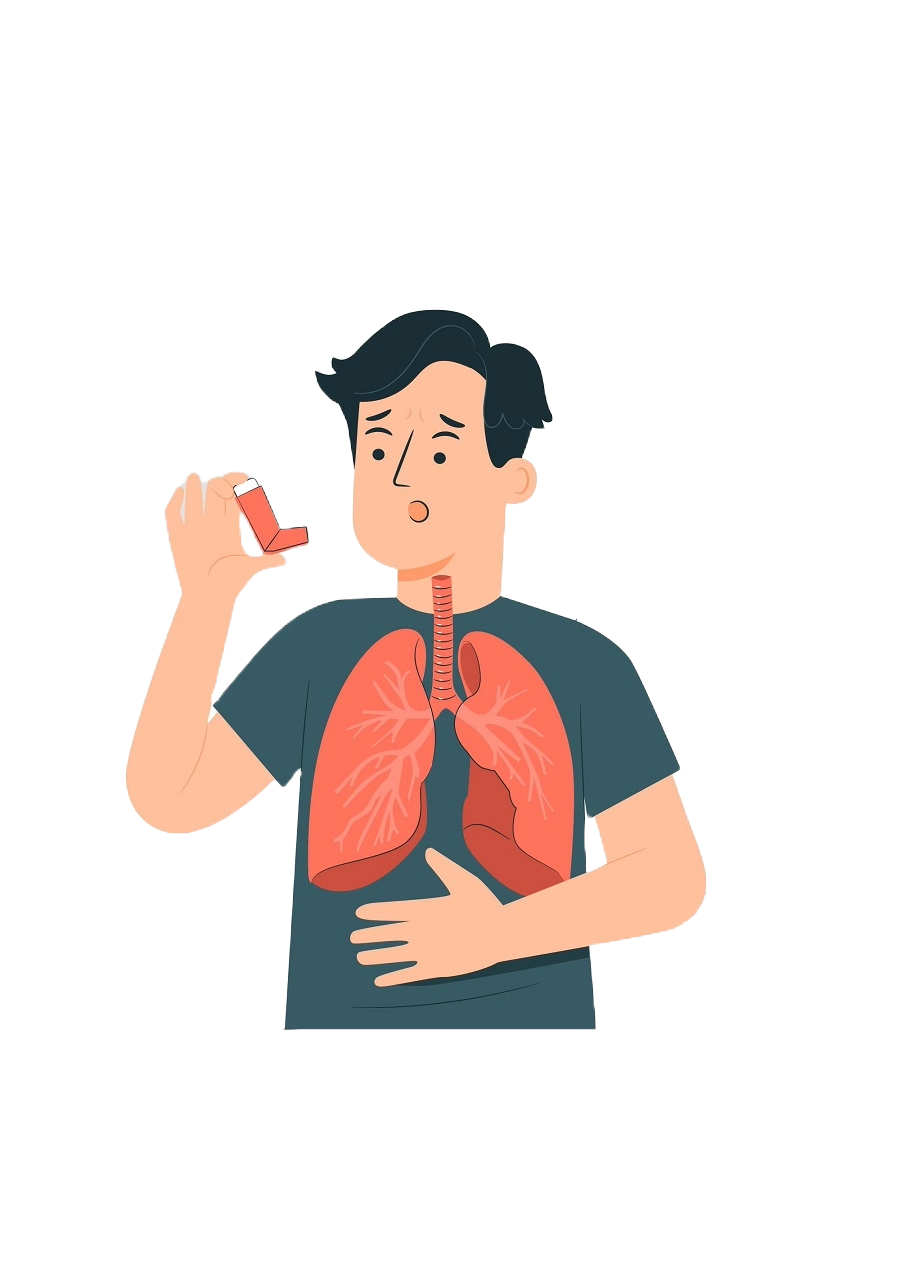
Pulmonary diseases encompass a range of conditions affecting the respiratory system, each presenting unique challenges and symptoms. Asthma, characterized by recurrent episodes of wheezing, breathlessness, chest tightness, and coughing, results from airway inflammation and bronchoconstriction in response to triggers such as allergens or irritants. Treatment typically involves medications like bronchodilators and inhaled corticosteroids to manage symptoms and prevent flare-ups, along with identifying and avoiding triggers through personalized management plans.
Exposure to pollutants such as particulate matter, ozone, and nitrogen dioxide from vehicle emissions and industrial processes can damage the respiratory system over time.
Allergens like pollen, dust mites, pet dander, and mold spores can trigger allergic reactions and respiratory conditions such as asthma and allergic rhinitis.
Long-term exposure to workplace hazards such as asbestos fibers, silica dust, and fumes from chemicals or metals can lead to occupational lung diseases.
Genetic factors can predispose individuals to inheritable respiratory conditions such as cystic fibrosis, alpha-1 antitrypsin deficiency, and certain types of interstitial lung disease.
Respiratory infections caused by bacteria, viruses, or fungi, such as influenza, pneumonia, and tuberculosis, can cause acute or chronic lung inflammation and damage.
"Breathing Easier: Comprehensive Respiratory Care Solutions"
Treatment Approache
Asthma
Treatment involves bronchodilators and inhaled corticosteroids to control inflammation and bronchoconstriction, along with identifying triggers and creating personalized management plans.
Lung Disease addressing underlying causes like pulmonary fibrosis with medications to manage symptoms and improve lung function; advanced cases may require lung transplantation.
Treatment includes antihistamines, decongestants, nasal corticosteroids for allergic rhinitis, and identifying triggers for chronic cough, such as allergens, to implement avoidance strategies and appropriate medication.
Asthma symptoms include wheezing, shortness of breath, chest tightness, and coughing, especially at night or early in the morning. Symptoms can vary in severity and frequency depending on triggers and individual factors.
How can I manage COPD symptoms at home?
Managing COPD at home involves quitting smoking, using prescribed medications like bronchodilators and inhalers, practicing breathing techniques, staying physically active within limits, and maintaining a healthy diet to support lung function.
What are the risk factors for developing restrictive lung disease?
Risk factors include exposure to environmental pollutants, occupational hazards (such as asbestos or silica dust), autoimmune diseases (like rheumatoid arthritis), and genetic predisposition. Age and certain medications can also increase risk.
What treatments are available for chronic cough and allergic rhinitis?
Chronic cough and allergic rhinitis are treated with antihistamines, nasal corticosteroids, decongestants, and allergen avoidance strategies. For chronic cough, identifying and managing underlying causes, such as postnasal drip or asthma, are key to effective treatment.