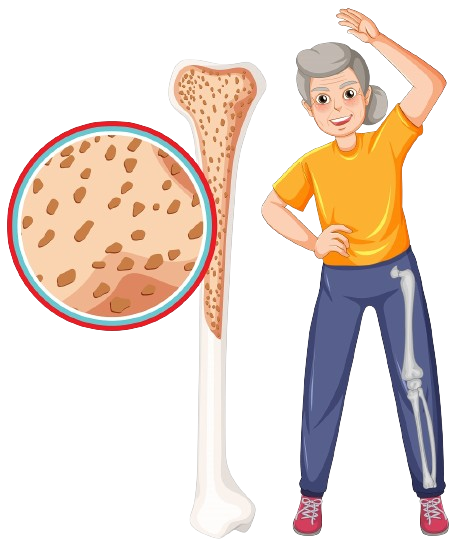
Musculoskeletal and connective tissue disorders encompass a broad spectrum of conditions affecting the bones, muscles, joints, ligaments, tendons, and other connective tissues in the body. These disorders can range from acute injuries like fractures and sprains to chronic conditions such as osteoarthritis, rheumatoid arthritis, and fibromyalgia. Symptoms often include pain, stiffness, swelling, and impaired mobility, which can significantly impact daily activities and quality of life. Treatment approaches vary depending on the specific disorder but typically include a combination of medication for pain and inflammation, physical therapy to improve strength and flexibility, lifestyle modifications, and in some cases, surgical intervention to repair damaged tissues or joints. Management focuses on alleviating symptoms, preventing further deterioration, and enhancing overall musculoskeletal health through comprehensive, personalized care plans tailored to each patient’s needs.
Inherited factors can predispose individuals to conditions like rheumatoid arthritis, systemic lupus erythematosus (SLE), and certain types of muscular dystrophy.
Conditions where the immune system attacks its own tissues, such as rheumatoid arthritis and systemic sclerosis, can affect joints and connective tissues.
Bacterial or viral infections can lead to inflammatory conditions affecting joints (septic arthritis) or soft tissues (cellulitis), potentially causing long-term damage if untreated.
"Comprehensive Care for Musculoskeletal Wellness"
Treatment Approache
Medication Management
Treatment involves using anti-inflammatory medications and pain relievers to manage symptoms like pain and inflammation associated with musculoskeletal and connective tissue disorders.
Incorporating exercises Therapy and stretches are to improve strength, flexibility, and range of motion helps to enhance mobility and function of muscles, aiding in the rehabilitation of affected joints and muscles.
In severe cases where conservative treatments are ineffective, surgical procedures such as joint replacement or repair may be necessary to restore function and alleviate pain caused by conditions.
What are the common symptoms of musculoskeletal disorders?
Common symptoms include pain, stiffness, swelling, limited range of motion, and difficulty performing daily activities. Specific conditions may also cause deformities or instability in joints.
How can I prevent musculoskeletal disorders?
Preventive measures include maintaining a healthy weight, practicing good posture, using proper ergonomic techniques at work, staying active with regular exercise to strengthen muscles and joints, and avoiding overuse or repetitive strain injuries.
What are the treatment options for arthritis?
Treatment may include medications (such as nonsteroidal anti-inflammatory drugs or corticosteroids), physical therapy to improve joint function and range of motion, lifestyle modifications (like weight management and joint protection techniques), and in severe cases, surgical intervention like joint replacement.
Can physical therapy help with musculoskeletal disorders?
Yes, physical therapy plays a crucial role in managing musculoskeletal disorders by improving strength, flexibility, and mobility. Therapists use targeted exercises, manual therapy techniques, and patient education to alleviate pain, restore function, and prevent future injuries.