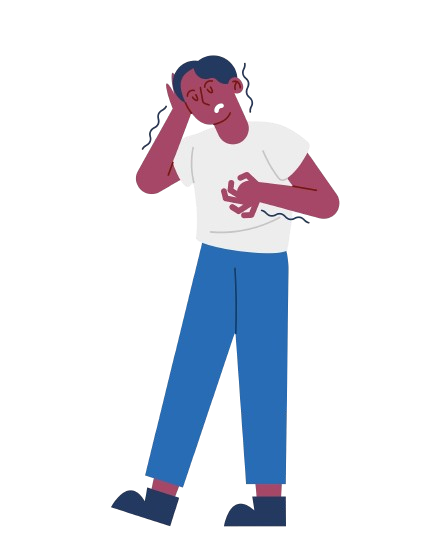
Chest pain evaluation is a critical process in diagnosing potential heart-related issues, particularly when symptoms such as irregular heartbeats (arrhythmias) and palpitations are present. Irregular heartbeats, or arrhythmias, can manifest as the heart beating too fast, too slow, or with an irregular rhythm, often causing discomfort or a fluttering sensation in the chest. Palpitations, characterized by a noticeably rapid, strong, or irregular heartbeat, can be alarming and are frequently linked to stress, anxiety, or underlying cardiac conditions. During a chest pain evaluation, healthcare providers perform a thorough assessment, including physical examination, patient history, electrocardiogram (ECG), and potentially advanced imaging or monitoring techniques, to determine the cause of these symptoms and formulate an effective treatment plan aimed at mitigating risks and improving cardiac health.
"Identifying the Roots of Chest Pain: Comprehensive Evaluation"
Irregular heartbeats that can lead to chest pain, palpitations, and dizziness.
"Effective Strategies for Chest Pain Management"
Treatment Approache
Irregular Heartbeats (Arrhythmias)
Irregular heartbeats treatment may include medications such as beta-blockers or antiarrhythmics, lifestyle modifications, and potentially procedures like catheter ablation to restore normal heart rhythm.
Management involves addressing underlying causes through stress reduction, avoiding stimulants like caffeine, medications to control heart rate, and in some cases, medical procedures to correct abnormal heart rhythms.
Management includes medications such as nitrates, beta-blockers, and calcium channel blockers to improve blood flow to the heart, along with lifestyle changes, and in severe cases, procedures like angioplasty or coronary artery bypass surgery to restore proper circulation.
What should I do if I experience sudden chest pain?
If you experience sudden, severe chest pain, especially if it’s accompanied by symptoms like shortness of breath, sweating, nausea, or pain radiating to the arm or jaw, seek emergency medical help immediately, as it could be a sign of a heart attack.
How is chest pain evaluated in a medical setting?
Chest pain evaluation typically involves a physical examination, patient history, and diagnostic tests such as an electrocardiogram (ECG), blood tests, chest X-ray, and possibly advanced imaging like a CT scan or MRI to determine the cause and guide treatment.
Can chest pain be caused by non-cardiac issues?
Yes, chest pain can be caused by a variety of non-cardiac issues, including gastrointestinal problems like GERD, musculoskeletal conditions such as costochondritis, pulmonary issues like a pulmonary embolism, or even anxiety and panic attacks.
What treatments are available for chest pain caused by irregular heartbeats or palpitations?
Treatments for chest pain caused by irregular heartbeats (arrhythmias) or palpitations include medications to regulate heart rhythm, lifestyle modifications to reduce triggers, and potentially procedures like catheter ablation to correct the heart’s electrical pathway.