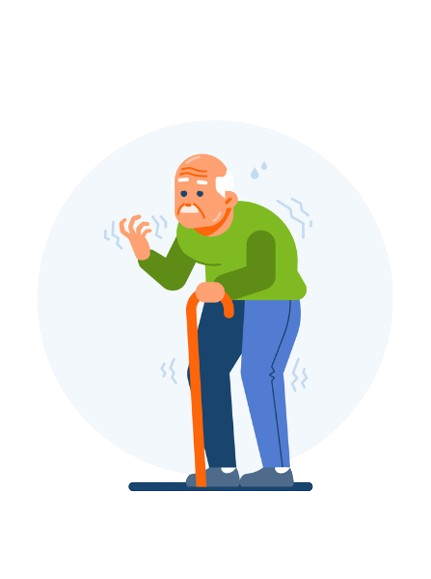
Geriatric problems encompass a range of health issues that commonly affect older adults, impacting their quality of life. Chronic constipation, often exacerbated by reduced physical activity and dietary changes, can lead to discomfort and complications if left untreated. Insomnia, another prevalent issue among seniors, stems from various factors such as changes in sleep patterns, medication side effects, or underlying medical conditions. Lifestyle disorders, including hypertension, diabetes, and osteoporosis, are also prevalent in older populations due to cumulative effects of aging, lifestyle choices, and genetic predispositions. Managing geriatric problems involves a multidisciplinary approach, including medication management, dietary adjustments, physical activity promotion, and addressing underlying health conditions to promote overall well-being and independence in elderly individuals.
Natural aging leads to physiological changes such as reduced organ function and decreased muscle mass, contributing to various health issues in older adults.
Reduced physical activity levels in older adults can lead to muscle weakness, joint stiffness, and increased susceptibility to chronic conditions like obesity and cardiovascular disease.
Poor diet, decreased appetite, and impaired nutrient absorption contribute to deficiencies in essential vitamins and minerals, affecting overall health and energy levels.
Social isolation, bereavement, financial stress, and cognitive decline can exacerbate mental health issues and impact physical well-being among the elderly population.
"Enhancing Senior Wellness: Holistic Geriatric Care Solutions"
Treatment Approache
Chronic Constipation
Chronic Constipation treatment includes dietary changes (increasing fiber intake), hydration, regular exercise, and, if necessary, medications to promote bowel regularity and relieve symptoms.
Management involves improving sleep hygiene practices, establishing a consistent sleep schedule, cognitive behavioral therapy for insomnia (CBT-I), and sometimes medications to address underlying causes or symptoms.
Addressing lifestyle disorders like hypertension, diabetes includes lifestyle medication management, and regular monitoring to prevent complications and improve overall health.
Common health concerns include chronic conditions like hypertension, diabetes, arthritis, and osteoporosis, as well as issues related to cognitive decline, mobility limitations, and sensory impairments such as vision and hearing loss.
How can chronic constipation be managed in older adults?
Chronic constipation in older adults can often be managed by increasing fiber intake through fruits, vegetables, and whole grains, staying hydrated, engaging in regular physical activity, and if necessary, using stool softeners or laxatives under medical guidance.
What are effective strategies for improving sleep in seniors with insomnia?
Effective strategies include maintaining a consistent sleep schedule, creating a relaxing bedtime routine, optimizing sleep environment (e.g., minimizing noise and light), avoiding caffeine and large meals before bedtime, and considering cognitive behavioral therapy for insomnia (CBT-I) if sleep problems persist.
How can lifestyle disorders like hypertension and diabetes be controlled in older adults?
Controlling lifestyle disorders involves a combination of lifestyle modifications such as a healthy diet low in salt and sugar, regular physical activity, weight management, medication adherence, and regular monitoring of blood pressure and blood glucose levels. Collaborating with healthcare providers to adjust treatment plans as needed is essential for optimal management and prevention of complications.