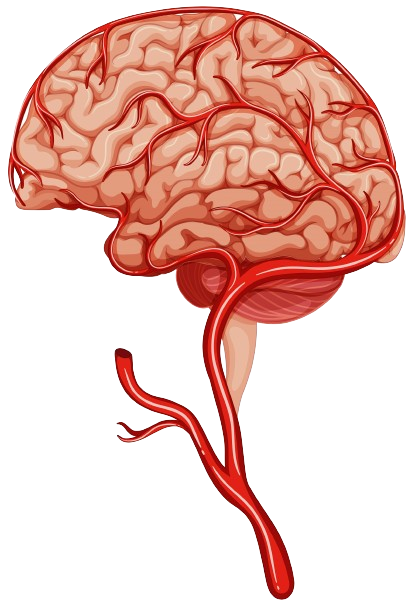
About Central Nervous System Disorders
Central nervous system (CNS) problems encompass a wide range of disorders that can significantly impact a person’s quality of life. Headaches are among the most common CNS issues, varying from mild discomfort to debilitating pain. Migraines, tension headaches, and cluster headaches each have distinct characteristics and triggers. Effective management requires a thorough understanding of the underlying causes, which may include stress, dietary factors, or neurological imbalances. Treatment strategies often involve a combination of medication, lifestyle modifications, and preventive measures to alleviate symptoms and prevent recurrence.
Giddiness or vertigo is another CNS-related problem that affects many individuals, often caused by disturbances in the inner ear or vestibular system. These conditions can lead to dizziness, balance issues, and a sensation of spinning, which can be both alarming and debilitating. Accurate diagnosis is essential for effective treatment, which may include vestibular rehabilitation exercises, medication, and in some cases, lifestyle adjustments to manage symptoms. Additionally, stroke, a severe CNS condition, occurs when blood flow to the brain is interrupted, leading to potential brain damage and loss of function.
Causes of Central Nervous System Disorders
Infections
Bacterial, viral, fungal, or parasitic infections can invade the central nervous system, leading to disorders such as meningitis, encephalitis, and brain abscesses.
Genetic Disorders
Inherited genetic mutations can lead to a variety of central nervous system disorders.
Traumatic Injuries
Physical trauma to the head or spine, such as from accidents or falls, can result in damage to the brain or spinal cord, causing conditions like traumatic brain injury (TBI) or spinal cord injury.
Vascular Issues
Problems with blood vessels in the brain, can cause significant CNS damage due to disrupted blood flow and oxygen deprivation.
Degenerative Diseases
Progressive degeneration of neurons can lead to disorders such as Alzheimer's disease, Parkinson's disease, and amyotrophic lateral sclerosis (ALS).
Autoimmune Disorders
Conditions in which the immune system mistakenly attacks the central nervous system, can cause inflammation and damage to the brain and spinal cord.
Treatment Approache
Headaches
We provides comprehensive evaluation and treatment for all types of headaches. We identifies the underlying causes and develops personalized treatment plans that may include medication, lifestyle modifications, and preventive strategies to alleviate pain and improve quality of life.
Giddiness / Vertigo
We employs advanced diagnostic techniques to determine the root causes, such as vestibular disorders or inner ear issues, and provides tailored treatments that may involve medications, vestibular rehabilitation exercises, and counseling to manage symptoms effectively and enhance balance and stability.
Stroke
We provides rapid diagnosis and treatment during the critical early stages to minimize damage and enhance recovery. Stroke care includes thrombolytic therapy, rehabilitation programs, and ongoing management of risk factors to prevent recurrence, all aimed at maximizing patient recovery.
Your Trusted Destination For Comprehensive Care And Healthy Life!
Enquire Now
Asked Questions
What are common symptoms of CNS disorders?
Symptoms can vary widely but may include headaches, dizziness, numbness or tingling, difficulty with coordination, changes in memory or cognition, and seizures.
What causes CNS disorders?
CNS disorders can be caused by various factors including infections, trauma, genetic conditions, vascular issues like strokes, degenerative diseases, and autoimmune disorders.
How are CNS disorders diagnosed?
Diagnosis often involves a combination of medical history review, neurological examination, imaging studies (like MRI or CT scans), and sometimes spinal fluid analysis or other specialized tests depending on the suspected condition.
What treatments are available for CNS disorders?
Treatment options depend on the specific disorder but may include medications, physical therapy, lifestyle modifications, surgical interventions, and ongoing management to control symptoms and improve quality of life.